Stand-out designs for outstanding ideas
Pumapapel Pop-Up Design Studio was founded in 2018 by internationally-recognized paper engineer Amy Lopez Nayve. We transform outstanding ideas into stand-out paper experiences that catch the eye and capture the heart. Our designs are made with excellence and a sense of wonder.
What is a Paper Engineer?
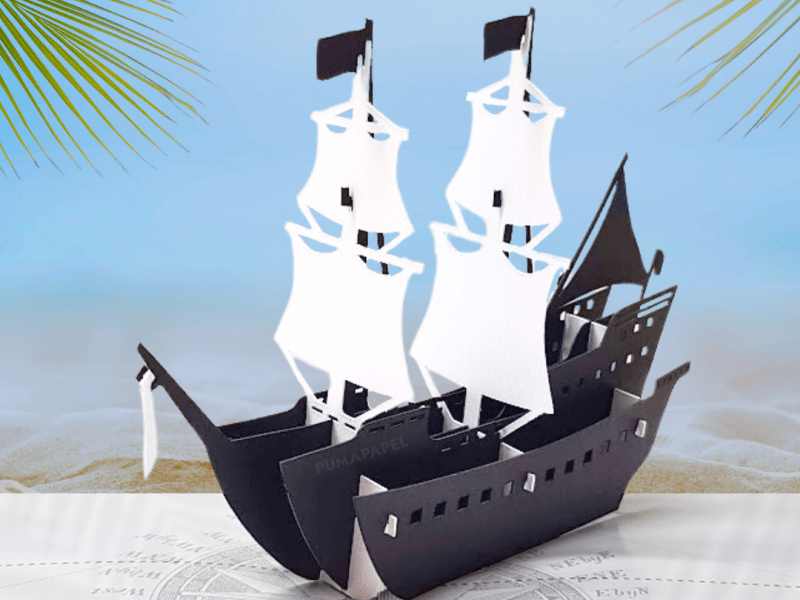
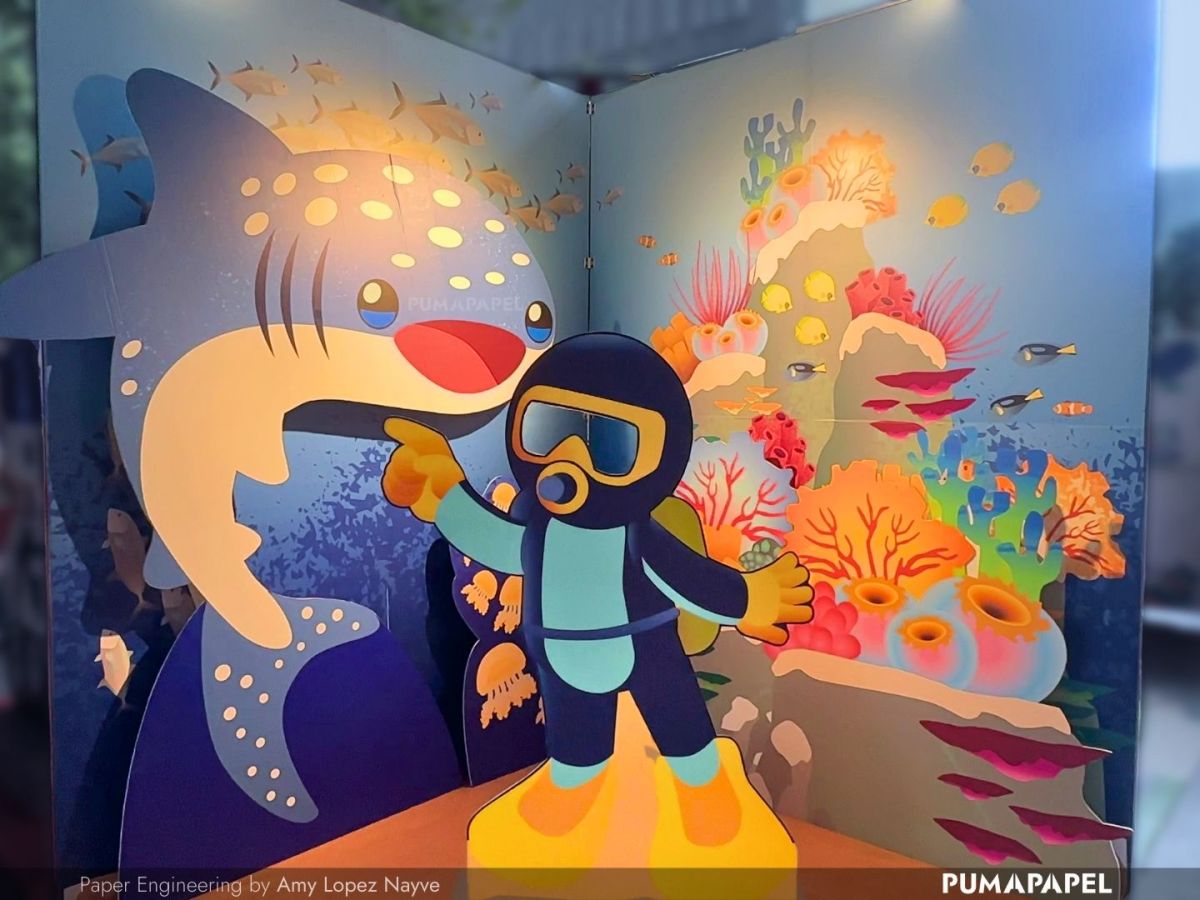
Paper Engineers create dimensional paper artworks that can fold flat. Years of practice, technical knowledge, and experience go into each book. We make sure to bring ideas to life in the most effective way, while also making efficient use of materials.
Our Work
We’ve worked with clients around the world. See how we’ve transformed their ideas into unique and memorable paper experiences for many different purposes.
Our portfolio is best viewed in full screen mode.
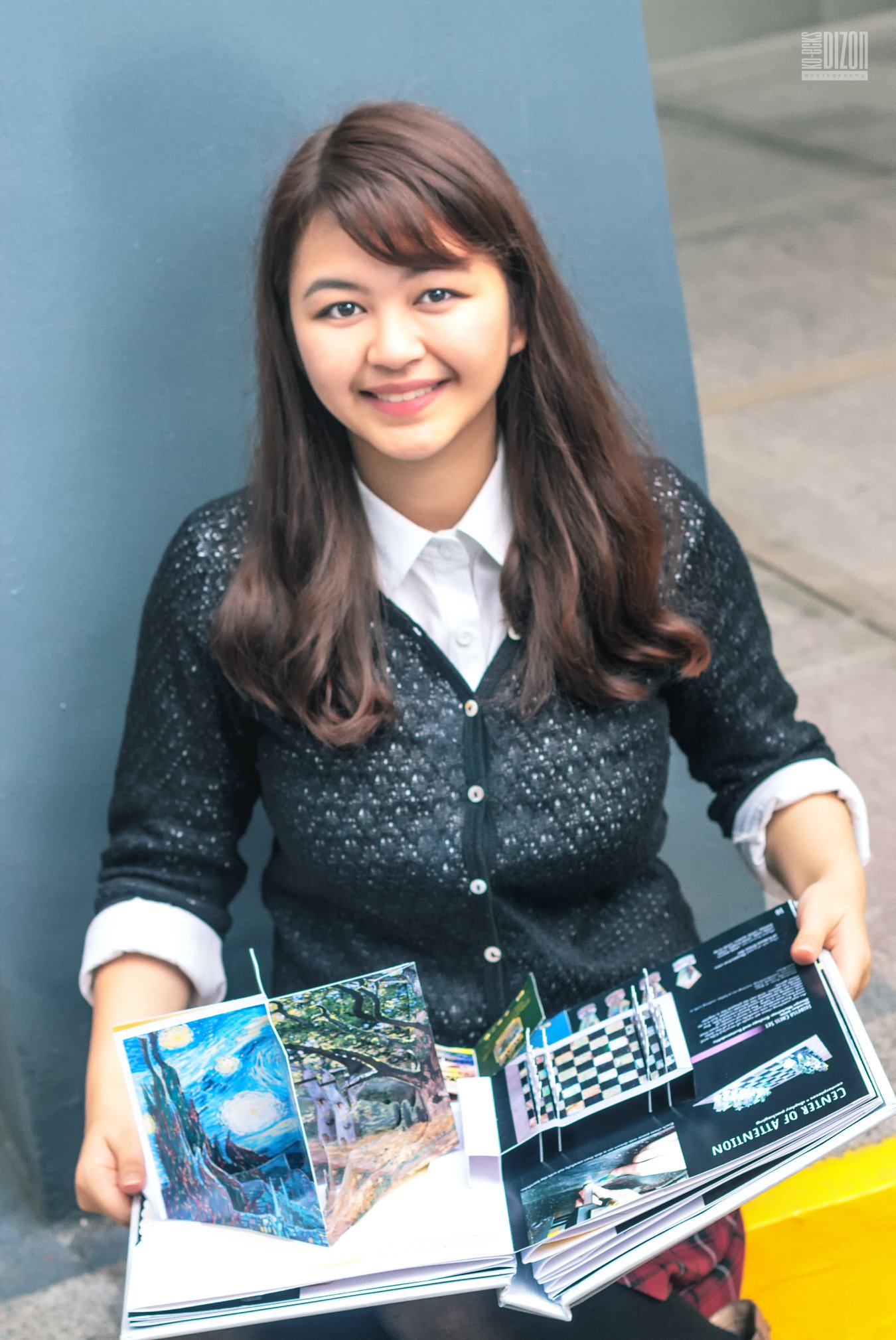
Amy Lopez Nayve
PAPER ENGINEER | DESIGNER | EDUCATOR
Amy Lopez Nayve is a Filipino paper engineer, designer, and educator, and the founder of Pumapapel Pop-Up Design Studio. Over seven years, she’s built a body of work spanning 180+ projects and 6 published titles with Nextquisite UK — from brand campaigns and cultural installations to workshops in communities across the Philippines. She’s now focused on education, learning materials, and mentoring the next generation of paper engineers.
- 180+ Projects
- 80+ Commercial Projects
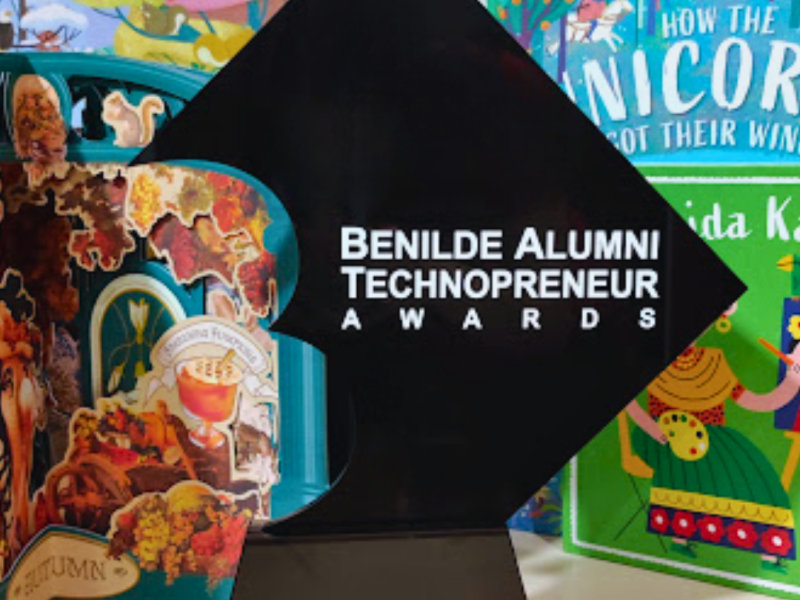
- 5 Awards
- 40+ Speaking Engagements, Workshops, and News Features
- Board Member of The Movable Book Society
The Process

1. Working Concepts
We turn your ideas into pop-up designs based on initial concepts we discussed. This stage is iterative and can go through multiple rounds of revision.
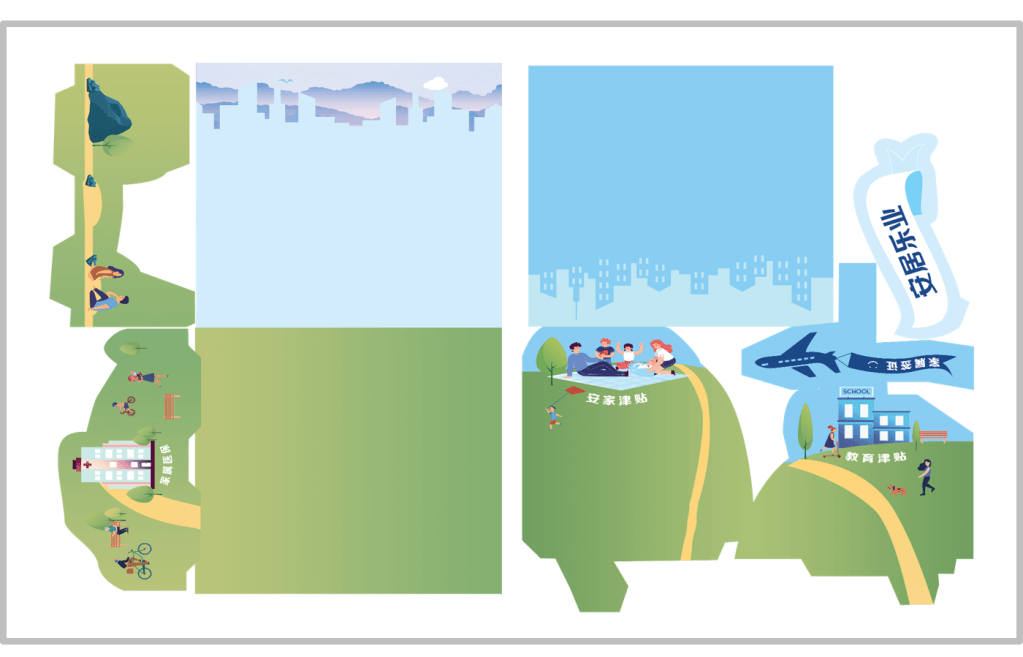
2. Die-Lines & Illustration
After the Working Concept is approved, we can overlay the graphics on the surfaces of the pop-ups. Text layout, etc. also happens at this stage. The pieces are nested on a large carrier sheet and traced with die-lines.

3. Mockup
We’ll create a white or colored mock-up of the final design for your review and approval. This is the best way to see the dimension and forms of the design without being distracted by graphics.
4. Production
The artwork is printed on heavy paper. These sheets are then sent to a die-cutting machine, which punches out each piece like a cookie cutter. Then, the pieces are grouped and sent to an assembly line to be put together by skilled workers.
 Pumapapel Pop-Up Design Studio