
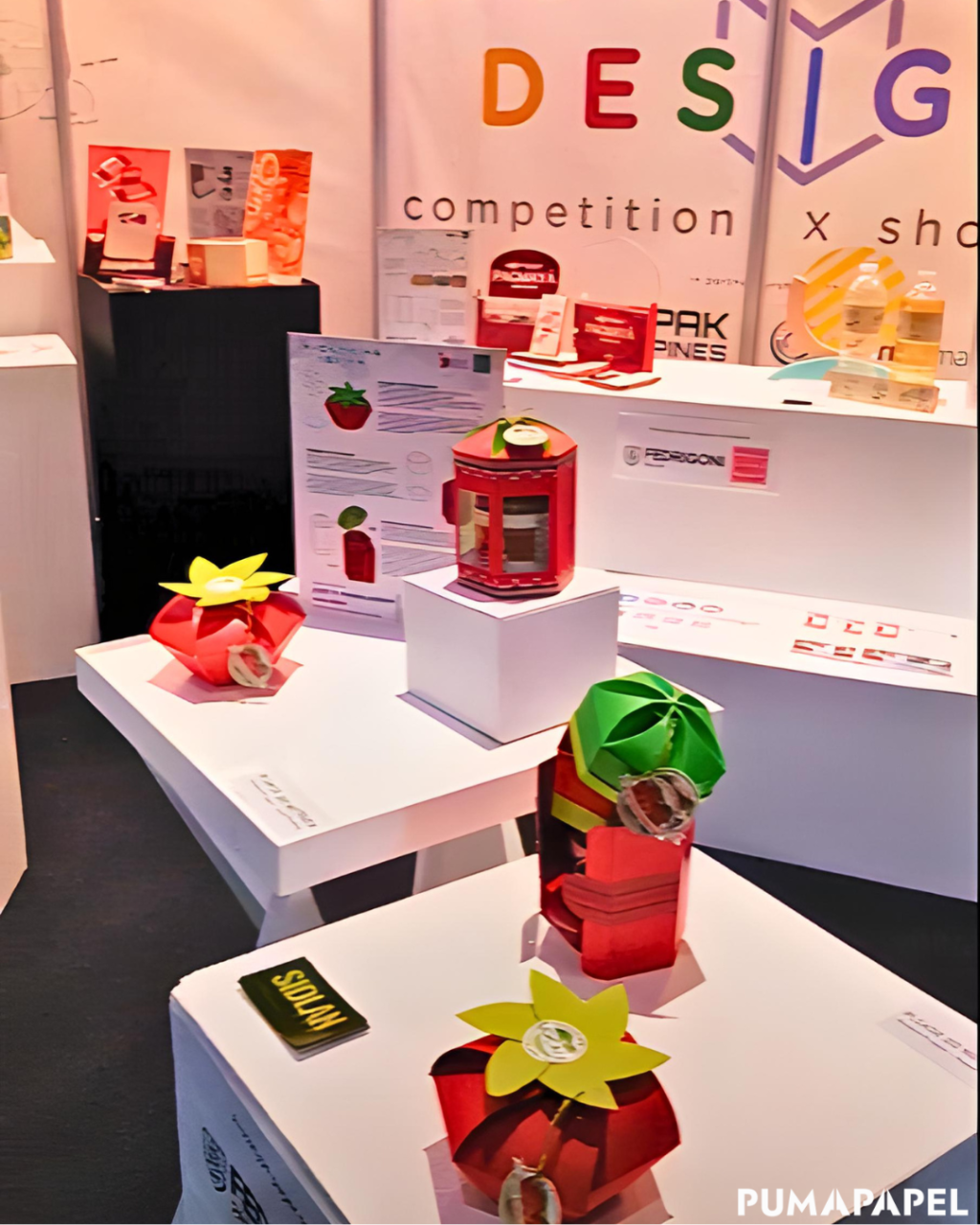
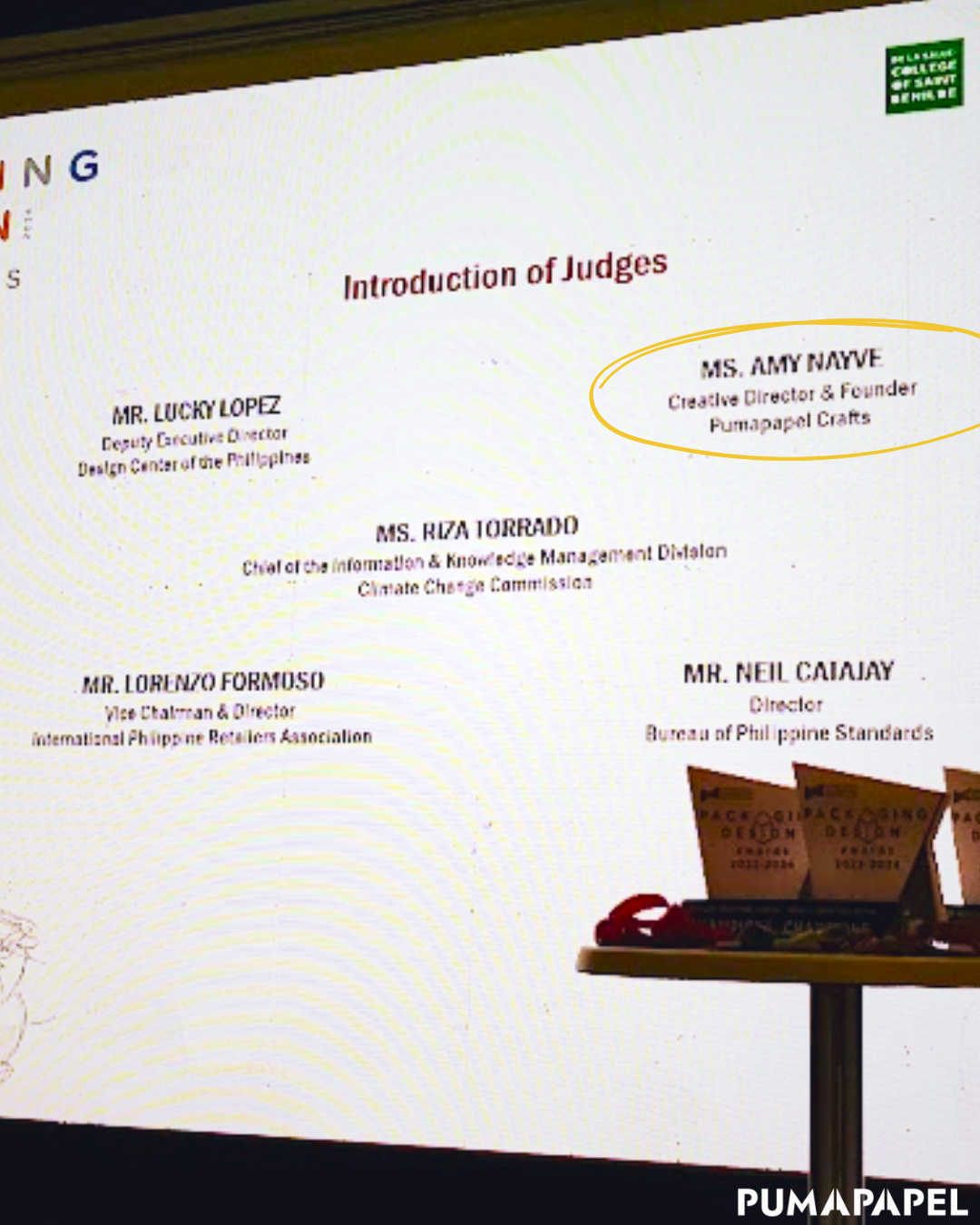
At PROPAK Philippines 2024, I had the opportunity to serve as a judge for the student packaging design competition, where Industrial Design students from De La Salle-College of Saint Benilde showcased innovative packaging solutions for local food and delicacies.
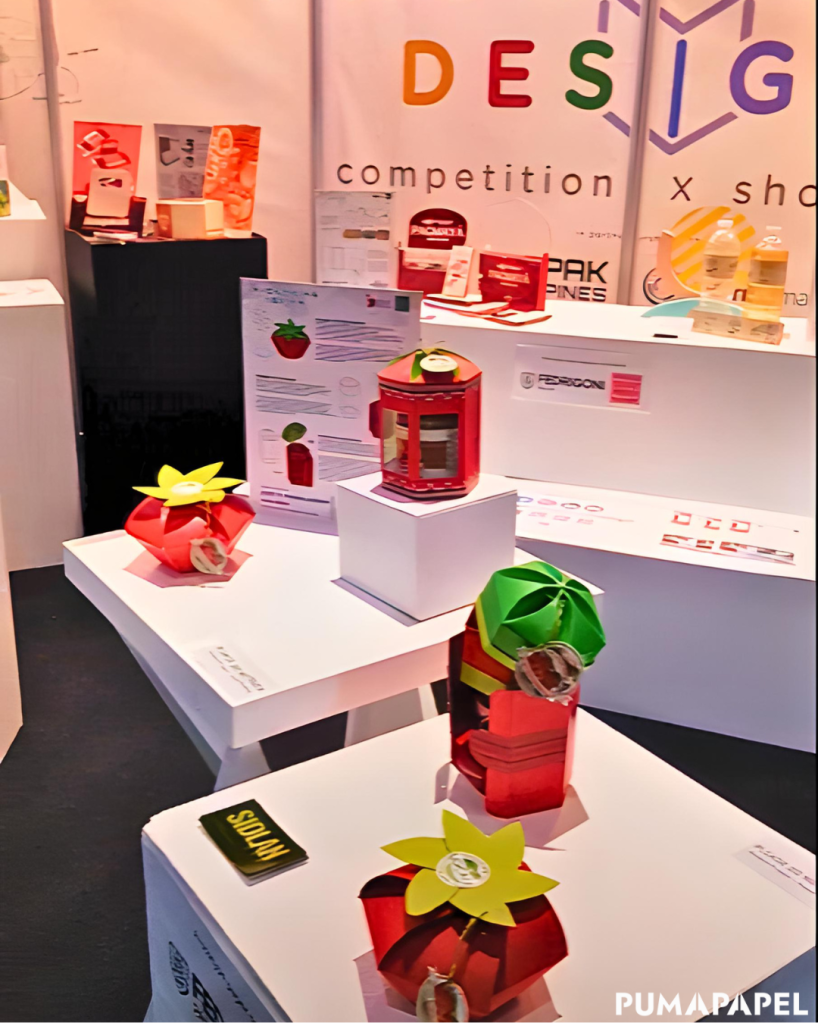
The competition highlighted some truly creative work, but one key theme emerged: many designs were visually stunning but difficult to mass-produce.

The Reality of Packaging Design
As a paper engineer, I always have production feasibility in mind. Whether designing a custom pop-up book or a functional packaging solution, I consider:
📌 Designing with a set cost—aligning materials and processes with budget constraints.
📌 Reducing material waste—because the more intricate a design, the greater the risk of errors and production inefficiencies.
📌 Ensuring production scalability—so that packaging isn’t just beautiful but also manufacturable at scale.
One key fact: all pop-ups are made by hand—which means the more complex the structure, the higher the likelihood of mistakes and wasted material. Smart paper engineering isn’t just about creativity—it’s about making designs foolproof and efficient to produce.
The Takeaway
I hope I was able to impart this knowledge to the students—that true innovation comes from balancing creativity with real-world practicality. At Pumapapel, we apply these principles every day, crafting packaging solutions that are visually striking, functional, and production-ready.
📩 Want to explore how paper engineering can enhance your packaging? Let’s talk!


#PackagingDesign #PROPAK2024 #PaperEngineering #CreativeSolutions #SustainableDesign #Pumapapel
 Pumapapel Pop-Up Design Studio
Leave a comment